-
Shop
- Advanced Technologies
- AI Skills for Creators & Freelancers
- AI Client Management
- AI Ethics
- AI Mindset
- AI Tools & Prompts
- AI Writing & Content Creation
- Audio, Voice & Music
- Design & Visual Creation
- Email, Messaging & Communication
- Freelancing & Business
- Marketing, Ads & Conversion
- Productivity, Workflow & Automation
- SEO & Search Optimization
- Social Media Content & Growth
- Strategy, Planning & Analytics
- Video Creation & Editing
- AI Skills Mastery 2026 Collection
- Apple Accessories
- Armani
- Arts, Crafts & Hobbies
- Back to School
- Bathroom
- Beauty & Skincare
- Beauty Guides Collection
- Best-Sellers
- Black Friday
- Black Friday Sale
- Car Accessories
- Career Growth
- Christmas Collection
- Dating & Social Skills
- Denim
- Digital Resources
- AI & Technology
- AI Skills
- Beauty
- Budgeting & Saving
- Car Buying & Ownership
- Cozy Feast Collection
- Electronics & Technology
- Emotional Intelligence
- Entrepreneurship & Business Growth
- Financial Education
- Financial Independence
- Financial Mindset & Psychology
- Goal Setting
- Hobbies
- Home Styling & Organization
- Kitchen & Recipes
- Leadership
- Mindfulness
- Mindset
- Motivation
- Online Business
- Parenting & Child Development
- Personal Style & Fashion
- Pet Lifestyle & Wellness
- Positive Thinking
- Self Confidence
- Sleep Improvement
- Smart Life with AI
- Stress Management & Relaxation
- Travel Planning
- Wellness
- Yoga & Fitness
- Yoga & Mind-Body Practices
- Education & Learning
- Family & Parenting
- Fashion
- Alexander McQueen
- Bags
- Bags & Wallets
- Belts
- Blazers
- Blouses & Shirts
- Bottega Veneta
- Bottoms
- Brunello Cucinelli
- Chloé
- Dolce & Gabbana
- Dresses
- Etro
- Hats & Hair Accessories
- Jacquemus
- Jewelry
- Jil Sander
- Keychains
- Kiton
- Luggage
- Luggage Bags
- Miu Miu
- Off-White
- Outerwear
- Rick Owens
- Socks & Tights
- Sunglasses
- The Row
- Tom Ford
- Valentino Garavani
- Vivienne Westwood
- Watches
- Fashion Accessories
- Food & Recipes
- Furniture
- Gadgets
- Gardening & Plants
- Gift Guide Collection
- Halloween
- Health & Fitness
- Health & Beauty
- Health & Wellness
- Home & Garden
- Home Decor
- Home Electronics
- Home Organization
- Interior Design
- Kids & Babies
- Kids Learning
- Kitchen
- Lighting
- Luxury Brands Collection
- Mental Wellness
- Parenting
- Party Planning
- Patio, Lawn & Garden
- Personal Finance
- Personal Growth
- Pet Care
- Pet Supplies
- Pets
- Shoes
- Sport & Outdoors
- Stress Relief & Relaxation
- Thanksgiving
- Thanksgiving Digital Collection
- AI & Tech-Enhanced Thanksgiving
- Budgeting & Smart Shopping
- Eco-Friendly & Sustainable Thanksgiving
- Family & Kids
- Gift Ideas Guides
- Gratitude & Mindfulness
- History & Meaning
- Hosting & Planning
- Leftovers & Storage
- Pets & Thanksgiving
- Social Media Captions & Ideas
- Thanksgiving DIY Ideas
- Thanksgiving Recipes
- Thanksgiving Products
- Travel
- Wealth
- Wealth Building
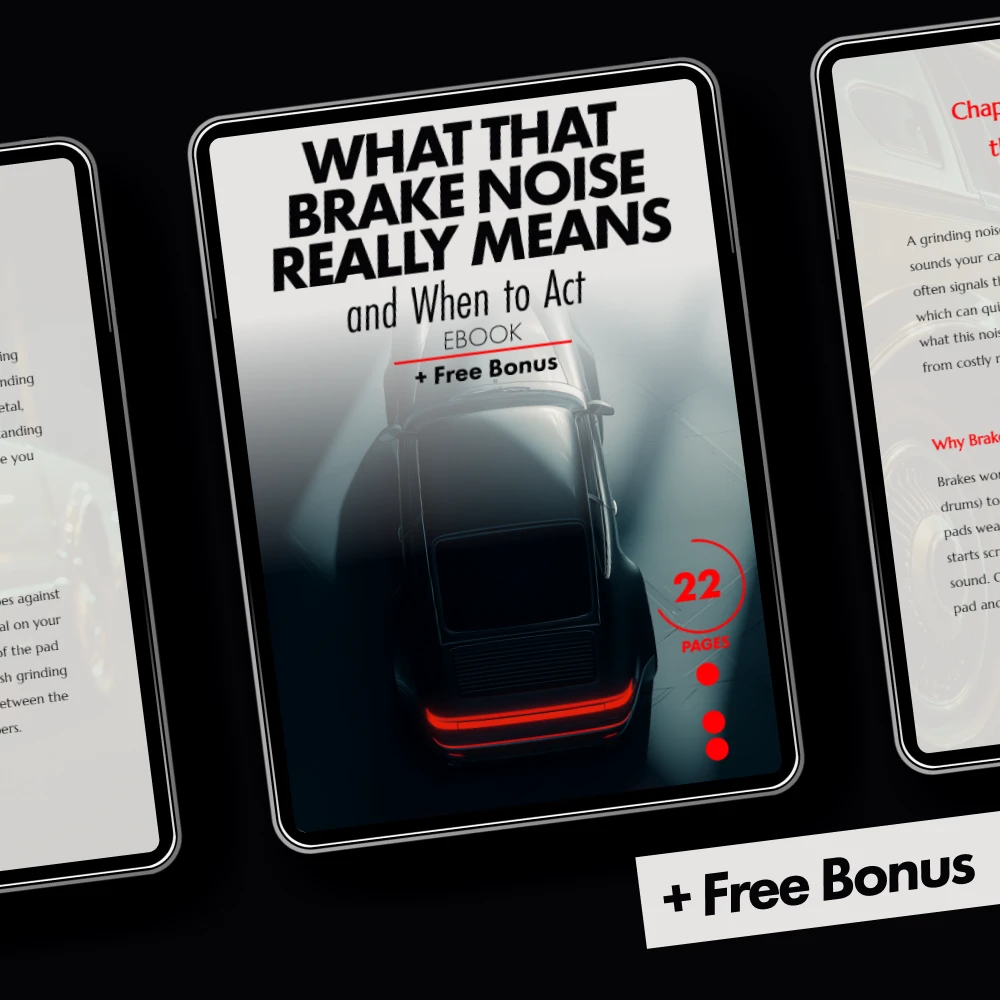
Car Squeaks When Braking but Brakes Seem Fine?
Car Squeaks When Braking but Brakes Seem Fine?
Why Brakes Can Squeak When They Seem Fine
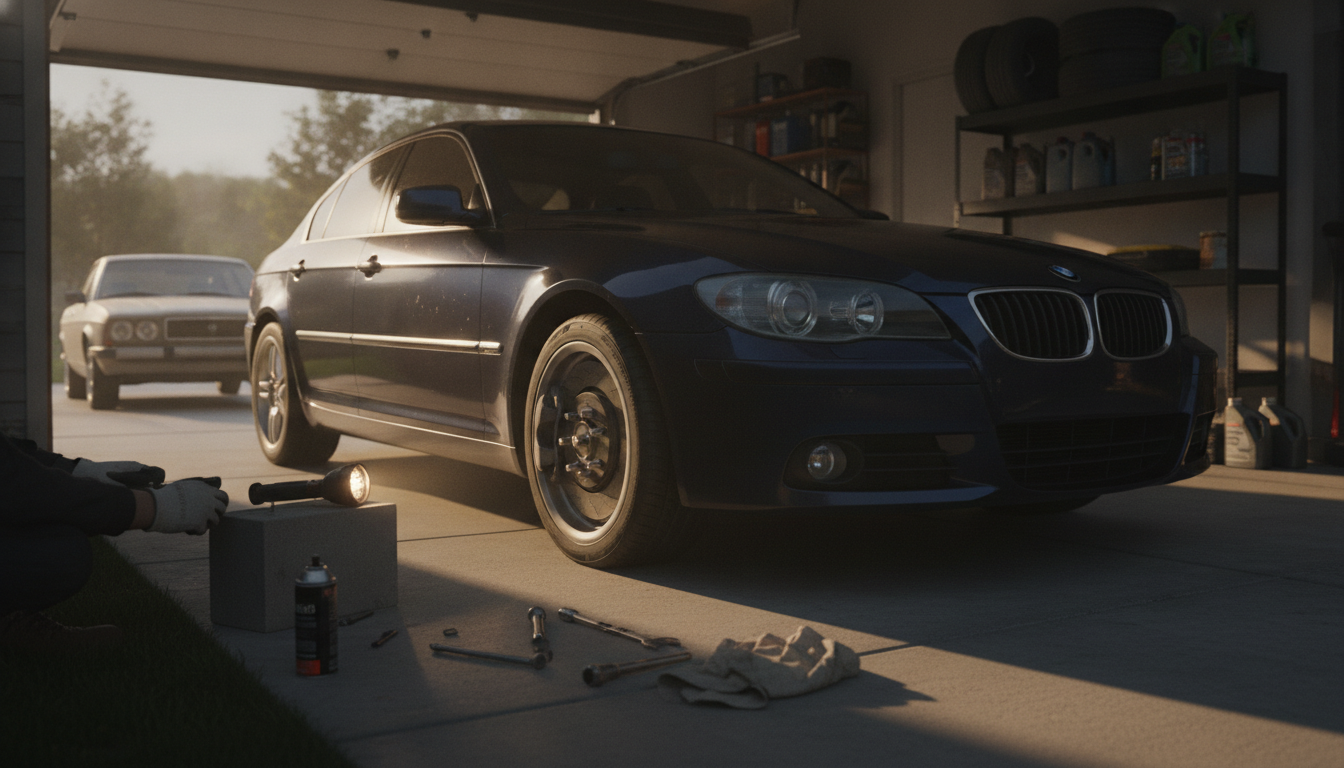
Your brakes can squeak even when the pads have usable material left and the car stops normally. Moisture, a thin layer of surface rust, brake dust, or vibration between braking components can create noise without necessarily indicating that the pads need replacement.
A brief squeak on the first few stops after your car has been parked in damp weather may disappear as the rotors dry and the surface rust wears away. If the noise continues after several normal stops, happens every time you brake, or is getting louder, have the brake system inspected rather than assuming the sound is harmless.
Check the product’s listed specifications when evaluating why brakes can squeak when they seem fine.
Other Common Causes
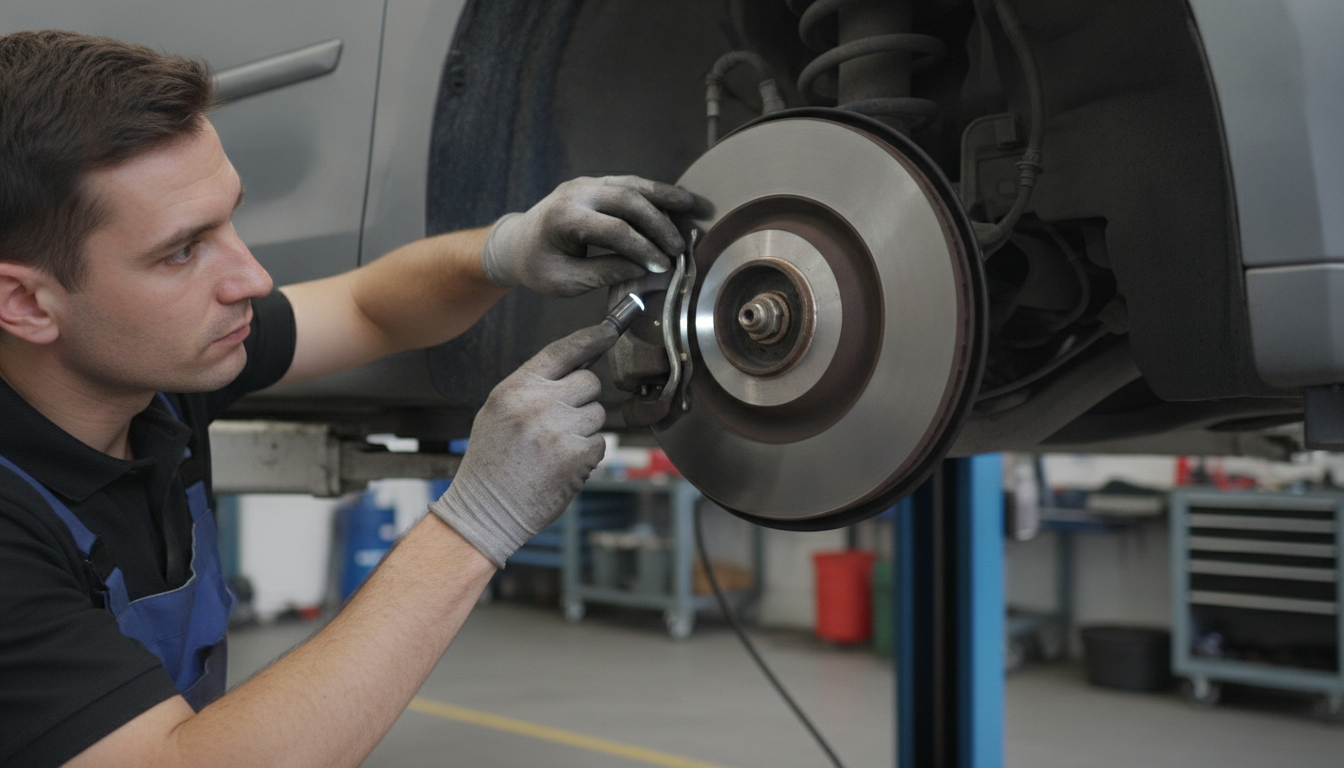
Some brake pad materials are more prone to noise than others, and certain pads may squeal under light braking even when they are not worn out. Glazed pads or rotors, uneven rotor surfaces, and debris caught between components can also cause squeaking, so pad thickness alone does not tell you everything about brake condition.
Loose, worn, or improperly installed hardware can allow components to vibrate, while a sticking caliper can cause uneven wear and noise. Our team recommends asking a qualified technician to inspect the pads, rotors, calipers, and hardware together if the squeak persists or returns.
Featured in this guide
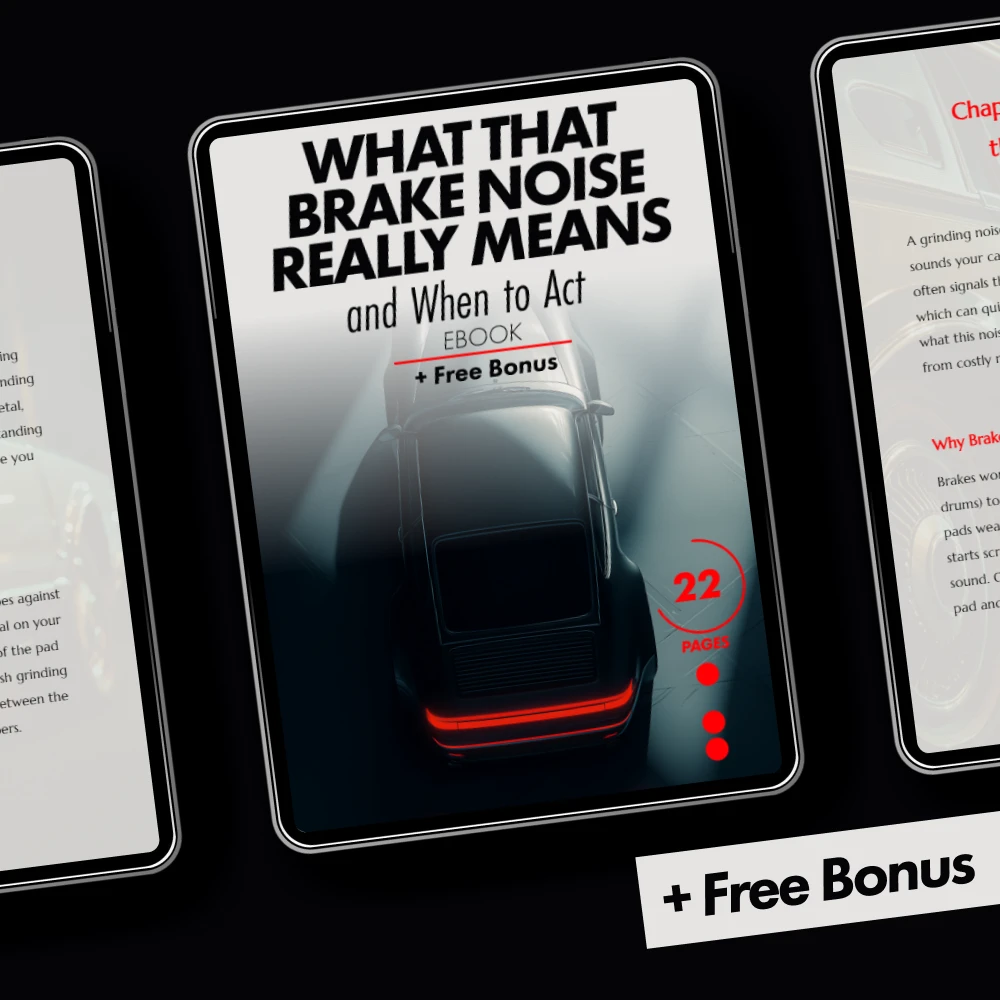
What That Brake Noise Really Means and When to Act – Ultimate eBook Guide for Car Owners
When You Should Act
Arrange an inspection promptly if squeaking is accompanied by grinding, pulling to one side, a change in pedal feel, vibration, or reduced stopping performance. If a brake warning light comes on or you cannot stop normally, avoid driving until the problem has been assessed and the vehicle is safe to use.
Note whether the sound occurs only when the brakes are cold, during light braking, or at a particular speed, and share those details with the technician. Avoid applying oil or other lubricants to braking surfaces, because they can interfere with safe braking.
Getting More Context
Our brake noise guide explains what different sounds can mean and when to act. For more on the topic, we also offer What That Brake Noise Really Means and When to Act – Ultimate eBook Guide for Car Owners.
The right repair depends on the cause: a temporary moisture-related squeak may need no repair, while worn hardware or a sticking component needs attention. An inspection can help you avoid replacing pads unnecessarily while still addressing a problem elsewhere in the system.
Check the product’s listed specifications when evaluating getting more context.
FAQ
Is it expensive to fix squeaky brakes?
The cost depends on the cause and whether the brakes need cleaning, hardware work, or replacement parts. Ask for an inspection and estimate before authorizing repairs so you understand what needs attention.
See if What That Brake Noise Really Means and When to Act – Ultimate eBook Guide for Car Owners fits your setup
Was this article helpful?
Yes
No



Leave a comment