-
Shop
- Advanced Technologies
- AI Skills for Creators & Freelancers
- AI Client Management
- AI Ethics
- AI Mindset
- AI Tools & Prompts
- AI Writing & Content Creation
- Audio, Voice & Music
- Design & Visual Creation
- Email, Messaging & Communication
- Freelancing & Business
- Marketing, Ads & Conversion
- Productivity, Workflow & Automation
- SEO & Search Optimization
- Social Media Content & Growth
- Strategy, Planning & Analytics
- Video Creation & Editing
- AI Skills Mastery 2026 Collection
- Apple Accessories
- Armani
- Arts, Crafts & Hobbies
- Back to School
- Bathroom
- Beauty & Skincare
- Beauty Guides Collection
- Best-Sellers
- Black Friday
- Black Friday Sale
- Car Accessories
- Career Growth
- Christmas Collection
- Dating & Social Skills
- Denim
- Digital Resources
- AI & Technology
- AI Skills
- Beauty
- Budgeting & Saving
- Car Buying & Ownership
- Cozy Feast Collection
- Electronics & Technology
- Emotional Intelligence
- Entrepreneurship & Business Growth
- Financial Education
- Financial Independence
- Financial Mindset & Psychology
- Goal Setting
- Hobbies
- Home Styling & Organization
- Kitchen & Recipes
- Leadership
- Mindfulness
- Mindset
- Motivation
- Online Business
- Parenting & Child Development
- Personal Style & Fashion
- Pet Lifestyle & Wellness
- Positive Thinking
- Self Confidence
- Sleep Improvement
- Smart Life with AI
- Stress Management & Relaxation
- Travel Planning
- Wellness
- Yoga & Fitness
- Yoga & Mind-Body Practices
- Education & Learning
- Family & Parenting
- Fashion
- Alexander McQueen
- Bags
- Bags & Wallets
- Belts
- Blazers
- Blouses & Shirts
- Bottega Veneta
- Bottoms
- Brunello Cucinelli
- Chloé
- Dolce & Gabbana
- Dresses
- Etro
- Hats & Hair Accessories
- Jacquemus
- Jewelry
- Jil Sander
- Keychains
- Kiton
- Luggage
- Luggage Bags
- Miu Miu
- Off-White
- Outerwear
- Rick Owens
- Socks & Tights
- Sunglasses
- The Row
- Tom Ford
- Valentino Garavani
- Vivienne Westwood
- Watches
- Fashion Accessories
- Food & Recipes
- Furniture
- Gadgets
- Gardening & Plants
- Gift Guide Collection
- Halloween
- Health & Fitness
- Health & Beauty
- Health & Wellness
- Home & Garden
- Home Decor
- Home Electronics
- Home Organization
- Interior Design
- Kids & Babies
- Kids Learning
- Kitchen
- Lighting
- Luxury Brands Collection
- Mental Wellness
- Parenting
- Party Planning
- Patio, Lawn & Garden
- Personal Finance
- Personal Growth
- Pet Care
- Pet Supplies
- Pets
- Shoes
- Sport & Outdoors
- Stress Relief & Relaxation
- Thanksgiving
- Thanksgiving Digital Collection
- AI & Tech-Enhanced Thanksgiving
- Budgeting & Smart Shopping
- Eco-Friendly & Sustainable Thanksgiving
- Family & Kids
- Gift Ideas Guides
- Gratitude & Mindfulness
- History & Meaning
- Hosting & Planning
- Leftovers & Storage
- Pets & Thanksgiving
- Social Media Captions & Ideas
- Thanksgiving DIY Ideas
- Thanksgiving Recipes
- Thanksgiving Products
- Travel
- Wealth
- Wealth Building
What Does Writing a Call Mean? Options and CTAs
35% off on product page · save $5.92
What Does Writing a Call Mean? Options and CTAs

What Writing a Call Means
Writing a call usually means selling a call option: you enter a contract that gives the buyer the right, but not the obligation, to buy an underlying asset at a specified price, known as the strike price, before or at the option’s expiration. In exchange for taking on that obligation, you receive a payment called a premium, but you may have to fulfill the contract if you are assigned.
Check the product’s listed specifications when evaluating what writing a call means.

Featured in this guide
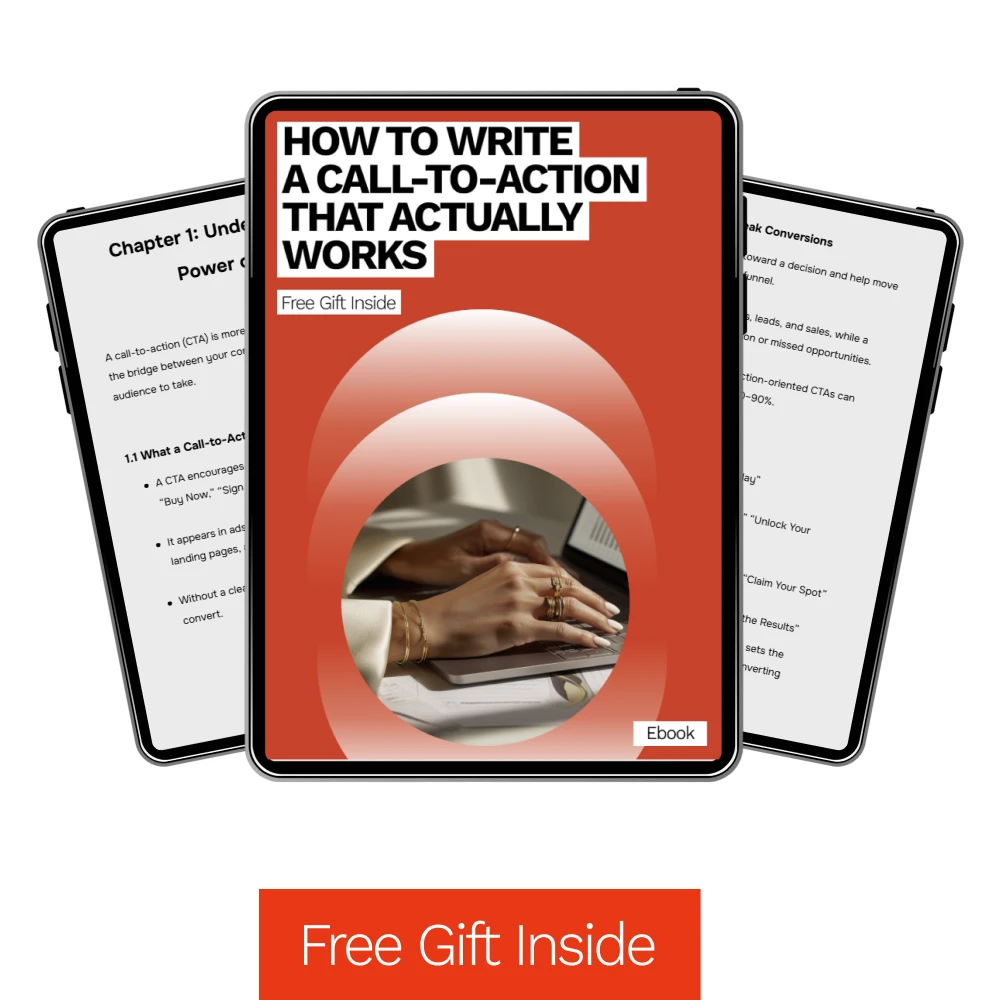
How to Write a Call-to-Action That Actually Works | Actionable CTA Copywriting Ebook Guide for Marketers & Creators
Covered Calls and Uncovered Calls
A covered call generally means you own the shares needed to meet the obligation, so you can deliver them if assigned, though you may miss gains above the strike price and still face losses if the shares fall. An uncovered, or naked, call means you do not own the required shares; because a stock’s price can rise without a fixed upper limit, the potential loss can be theoretically unlimited.
Writing a Call-to-Action
In marketing, “writing a call” can mean writing a call-to-action, or CTA: a message that asks your reader to take a specific next step, such as “Join the newsletter” or “Read the guide.” To write one, choose the action you want your reader to take and state it clearly with an action verb; for example, “Download the checklist” tells the reader what to do and what they will receive.
Match the CTA to its setting: a newsletter invitation can ask visitors to subscribe, while an article can direct readers to a related resource. Our guide to writing a call-to-action explores this topic, and our ebook, How to Write a Call-to-Action That Actually Works, is a CTA copywriting guide for marketers and creators.
FAQ
What does it mean when you write a call?
In options trading, it means you sell a call option and receive a premium while taking on a possible obligation under the contract. In a marketing context, it may mean you write a call-to-action that prompts a reader to take a specific next step.
See if How to Write a Call-to-Action That Actually Works | Actionable CTA Copywriting Ebook Guide for Marketers & Creators fits your setup
Was this article helpful?
Yes
No




Leave a comment