-
Shop
- Advanced Technologies
- AI Skills for Creators & Freelancers
- AI Client Management
- AI Ethics
- AI Mindset
- AI Tools & Prompts
- AI Writing & Content Creation
- Audio, Voice & Music
- Design & Visual Creation
- Email, Messaging & Communication
- Freelancing & Business
- Marketing, Ads & Conversion
- Productivity, Workflow & Automation
- SEO & Search Optimization
- Social Media Content & Growth
- Strategy, Planning & Analytics
- Video Creation & Editing
- AI Skills Mastery 2026 Collection
- Apple Accessories
- Armani
- Arts, Crafts & Hobbies
- Back to School
- Bathroom
- Beauty & Skincare
- Beauty Guides Collection
- Best-Sellers
- Black Friday
- Black Friday Sale
- Car Accessories
- Career Growth
- Christmas Collection
- Dating & Social Skills
- Denim
- Digital Resources
- AI & Technology
- AI Skills
- Beauty
- Budgeting & Saving
- Car Buying & Ownership
- Cozy Feast Collection
- Electronics & Technology
- Emotional Intelligence
- Entrepreneurship & Business Growth
- Financial Education
- Financial Independence
- Financial Mindset & Psychology
- Goal Setting
- Hobbies
- Home Styling & Organization
- Kitchen & Recipes
- Leadership
- Mindfulness
- Mindset
- Motivation
- Online Business
- Parenting & Child Development
- Personal Style & Fashion
- Pet Lifestyle & Wellness
- Positive Thinking
- Self Confidence
- Sleep Improvement
- Smart Life with AI
- Stress Management & Relaxation
- Travel Planning
- Wellness
- Yoga & Fitness
- Yoga & Mind-Body Practices
- Education & Learning
- Family & Parenting
- Fashion
- Alexander McQueen
- Bags
- Bags & Wallets
- Belts
- Blazers
- Blouses & Shirts
- Bottega Veneta
- Bottoms
- Brunello Cucinelli
- Chloé
- Dolce & Gabbana
- Dresses
- Etro
- Hats & Hair Accessories
- Jacquemus
- Jewelry
- Jil Sander
- Keychains
- Kiton
- Luggage
- Luggage Bags
- Miu Miu
- Off-White
- Outerwear
- Rick Owens
- Socks & Tights
- Sunglasses
- The Row
- Tom Ford
- Valentino Garavani
- Vivienne Westwood
- Watches
- Fashion Accessories
- Food & Recipes
- Furniture
- Gadgets
- Gardening & Plants
- Gift Guide Collection
- Halloween
- Health & Fitness
- Health & Beauty
- Health & Wellness
- Home & Garden
- Home Decor
- Home Electronics
- Home Organization
- Interior Design
- Kids & Babies
- Kids Learning
- Kitchen
- Lighting
- Luxury Brands Collection
- Mental Wellness
- Parenting
- Party Planning
- Patio, Lawn & Garden
- Personal Finance
- Personal Growth
- Pet Care
- Pet Supplies
- Pets
- Shoes
- Sport & Outdoors
- Stress Relief & Relaxation
- Thanksgiving
- Thanksgiving Digital Collection
- AI & Tech-Enhanced Thanksgiving
- Budgeting & Smart Shopping
- Eco-Friendly & Sustainable Thanksgiving
- Family & Kids
- Gift Ideas Guides
- Gratitude & Mindfulness
- History & Meaning
- Hosting & Planning
- Leftovers & Storage
- Pets & Thanksgiving
- Social Media Captions & Ideas
- Thanksgiving DIY Ideas
- Thanksgiving Recipes
- Thanksgiving Products
- Travel
- Wealth
- Wealth Building
Which Impact Driver Is Quietest? Hydraulic vs. Standard
35% off on product page · save $8.07
Which Impact Driver Is Quietest? Hydraulic vs. Standard
Which Impact Driver Is Quietest?
Hydraulic, or oil-pulse, impact drivers are generally quieter than conventional impact drivers because they use a fluid-driven mechanism rather than the familiar metal-on-metal hammering action. There is no single quietest model we can name for every situation, since noise depends on the tool, the fastener, the material, and how the sound is measured.
If keeping noise down is your priority, we recommend starting your comparison with hydraulic models from established tool brands rather than choosing a conventional impact driver solely by its advertised power. Compare sound measurements taken under similar conditions when they are available, and consider how the tool feels and performs in the jobs you actually do.
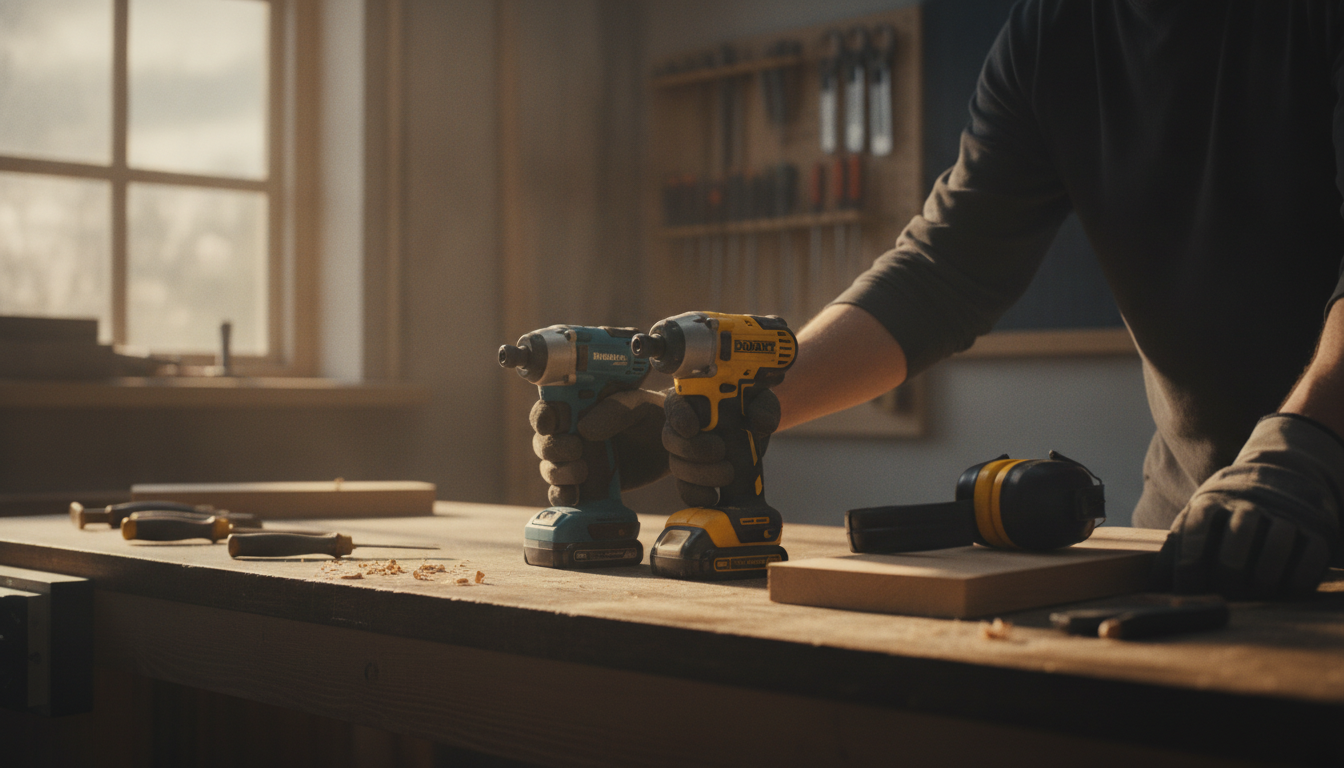
Hydraulic Versus Conventional Impact Drivers
A hydraulic driver typically produces a softer, less sharp sound while driving screws, which can make a difference during extended work or projects close to other people. A conventional impact driver often delivers a louder, more pronounced rattling sound, especially when it reaches the impact stage under load.
Quiet operation is only one part of the decision: a hydraulic model may not be the best fit for every demanding fastening task, while a conventional model may be a practical choice when noise matters less. Think about the screws and materials you use most often, and choose a driver with suitable torque and speed controls rather than assuming the quietest option is always the strongest.
Featured in this guide
The Quiet Power of the Driver’s Seat – Ebook on Emotional Independence, Confidence, and the Emotional Benefits of Driving Your Own Car
How to Make Driving Jobs Less Noisy
Use the correct bit for the fastener, keep it fully seated, and apply steady pressure to reduce slipping and unnecessary rattling. Starting at a controlled speed and avoiding prolonged impacting after a screw is seated can also help limit noise and protect the fastener and work surface.
Secure the material before driving so it does not vibrate or shift, and maintain your driver and bits in good condition. Even a quieter tool can be loud enough to warrant hearing protection, particularly during long sessions or work in enclosed spaces.
Choose for Confidence and Comfort
For indoor assembly, cabinetry, or work near neighbors, a hydraulic driver is a sensible place to start if you want a less intrusive sound. For occasional outdoor projects or tougher fastening jobs, balance noise against the tool’s capability, weight, grip, and battery system.
At our store, we also appreciate the confidence that comes from finding the right approach to everyday tasks, a theme in The Quiet Power of the Driver’s Seat, our ebook about emotional independence and driving your own car. For more on that separate topic, read our guide to driving your own car.
FAQ
How many decibels is an impact driver?
There is no fixed decibel level for every impact driver; the reading changes with the model, workload, material, distance, and measurement method. Compare measurements made under similar conditions, and use hearing protection when the noise level or duration makes it appropriate.
See if The Quiet Power of the Driver’s Seat – Ebook on Emotional Independence, Confidence, and the Emotional Benefits of Driving Your Own Car fits your setup
Was this article helpful?
Yes
No



Leave a comment