-
Shop
- Advanced Technologies
- AI Skills for Creators & Freelancers
- AI Client Management
- AI Ethics
- AI Mindset
- AI Tools & Prompts
- AI Writing & Content Creation
- Audio, Voice & Music
- Design & Visual Creation
- Email, Messaging & Communication
- Freelancing & Business
- Marketing, Ads & Conversion
- Productivity, Workflow & Automation
- SEO & Search Optimization
- Social Media Content & Growth
- Strategy, Planning & Analytics
- Video Creation & Editing
- AI Skills Mastery 2026 Collection
- Apple Accessories
- Armani
- Arts, Crafts & Hobbies
- Back to School
- Bathroom
- Beauty & Skincare
- Beauty Guides Collection
- Best-Sellers
- Black Friday
- Black Friday Sale
- Car Accessories
- Career Growth
- Christmas Collection
- Dating & Social Skills
- Denim
- Digital Resources
- AI & Technology
- AI Skills
- Beauty
- Budgeting & Saving
- Car Buying & Ownership
- Cozy Feast Collection
- Electronics & Technology
- Emotional Intelligence
- Entrepreneurship & Business Growth
- Financial Education
- Financial Independence
- Financial Mindset & Psychology
- Goal Setting
- Hobbies
- Home Styling & Organization
- Kitchen & Recipes
- Leadership
- Mindfulness
- Mindset
- Motivation
- Online Business
- Parenting & Child Development
- Personal Style & Fashion
- Pet Lifestyle & Wellness
- Positive Thinking
- Self Confidence
- Sleep Improvement
- Smart Life with AI
- Stress Management & Relaxation
- Travel Planning
- Wellness
- Yoga & Fitness
- Yoga & Mind-Body Practices
- Education & Learning
- Family & Parenting
- Fashion
- Alexander McQueen
- Bags
- Bags & Wallets
- Belts
- Blazers
- Blouses & Shirts
- Bottega Veneta
- Bottoms
- Brunello Cucinelli
- Chloé
- Dolce & Gabbana
- Dresses
- Etro
- Hats & Hair Accessories
- Jacquemus
- Jewelry
- Jil Sander
- Keychains
- Kiton
- Luggage
- Luggage Bags
- Miu Miu
- Off-White
- Outerwear
- Rick Owens
- Socks & Tights
- Sunglasses
- The Row
- Tom Ford
- Valentino Garavani
- Vivienne Westwood
- Watches
- Fashion Accessories
- Food & Recipes
- Furniture
- Gadgets
- Gardening & Plants
- Gift Guide Collection
- Halloween
- Health & Fitness
- Health & Beauty
- Health & Wellness
- Home & Garden
- Home Decor
- Home Electronics
- Home Organization
- Interior Design
- Kids & Babies
- Kids Learning
- Kitchen
- Lighting
- Luxury Brands Collection
- Mental Wellness
- Parenting
- Party Planning
- Patio, Lawn & Garden
- Personal Finance
- Personal Growth
- Pet Care
- Pet Supplies
- Pets
- Shoes
- Sport & Outdoors
- Stress Relief & Relaxation
- Thanksgiving
- Thanksgiving Digital Collection
- AI & Tech-Enhanced Thanksgiving
- Budgeting & Smart Shopping
- Eco-Friendly & Sustainable Thanksgiving
- Family & Kids
- Gift Ideas Guides
- Gratitude & Mindfulness
- History & Meaning
- Hosting & Planning
- Leftovers & Storage
- Pets & Thanksgiving
- Social Media Captions & Ideas
- Thanksgiving DIY Ideas
- Thanksgiving Recipes
- Thanksgiving Products
- Travel
- Wealth
- Wealth Building
Downside of Writing Covered Calls: Risks to Know
35% off on product page · save $5.92
Downside of Writing Covered Calls: Risks to Know

The Main Trade-Off: Limited Upside
The downside is that if the stock rises well above the strike price, you may have to sell your shares at that price and miss gains beyond it, although you keep the premium.

Featured in this guide
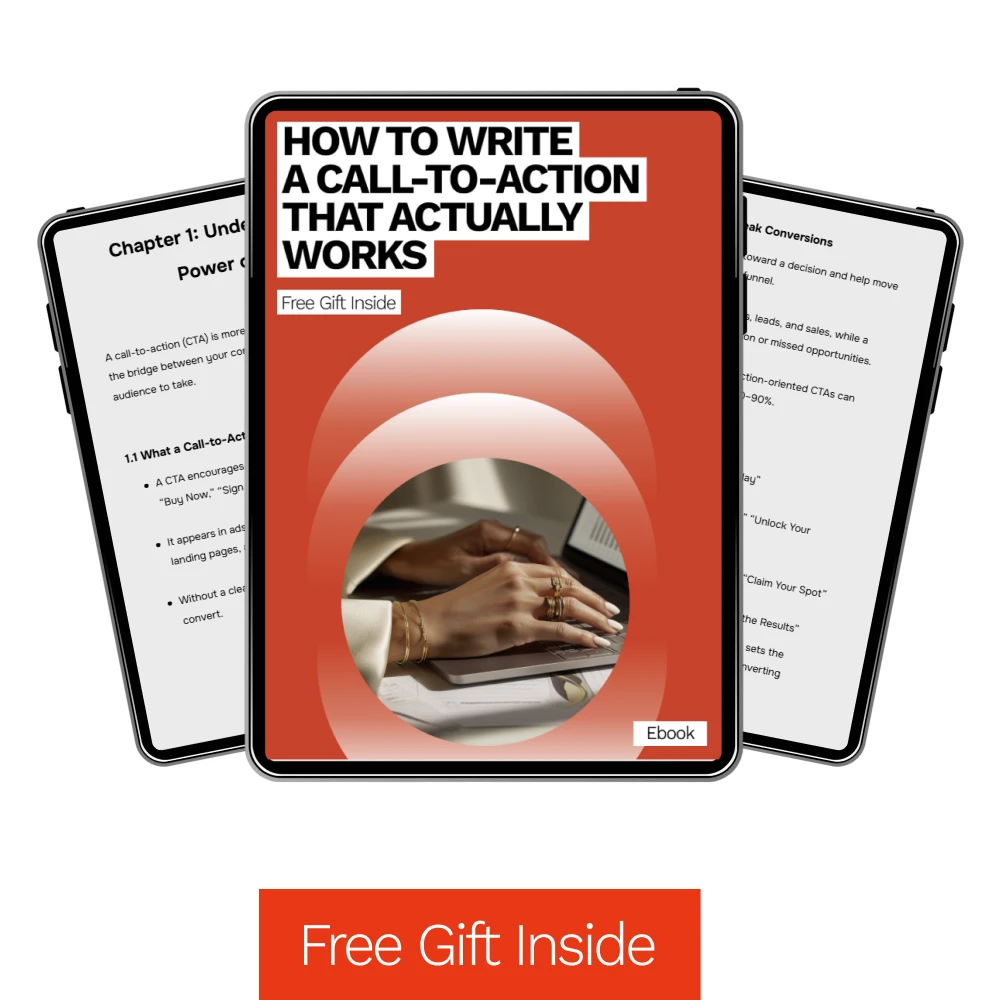
How to Write a Call-to-Action That Actually Works | Actionable CTA Copywriting Ebook Guide for Marketers & Creators
Assignment Can Disrupt Your Plans
If you are assigned, you must sell the covered shares at the strike price, which may not suit you if you wanted to keep them for future growth, dividends, or other personal goals.
With American-style options, assignment can occur before expiration, and selling shares may have tax consequences, so consider your willingness to part with the stock and your circumstances before writing the call.

When a Covered Call May Fit
A covered call may suit you when you already own shares and are comfortable selling them at the strike price in exchange for the premium, but it is less appealing if retaining the shares or capturing a large rally is your priority.
Before placing a trade, compare the premium with your potential downside, choose an expiration and strike price that match your plan, and account for fees and taxes; if you are instead looking for marketing guidance, our call-to-action article introduces our ebook, How to Write a Call-to-Action That Actually Works, which concerns copywriting rather than options.
FAQ
Why do 90% option traders lose money?
That percentage should not be treated as a universal fact, since results vary by market, strategy, time period, and the traders being measured. Options traders can lose money through leverage, unfavorable price movements, time decay, fees, or strategies they do not fully understand.
See if How to Write a Call-to-Action That Actually Works | Actionable CTA Copywriting Ebook Guide for Marketers & Creators fits your setup
Was this article helpful?
Yes
No




Leave a comment