-
Shop
- Advanced Technologies
- AI Skills for Creators & Freelancers
- AI Client Management
- AI Ethics
- AI Mindset
- AI Tools & Prompts
- AI Writing & Content Creation
- Audio, Voice & Music
- Design & Visual Creation
- Email, Messaging & Communication
- Freelancing & Business
- Marketing, Ads & Conversion
- Productivity, Workflow & Automation
- SEO & Search Optimization
- Social Media Content & Growth
- Strategy, Planning & Analytics
- Video Creation & Editing
- AI Skills Mastery 2026 Collection
- Apple Accessories
- Armani
- Arts, Crafts & Hobbies
- Back to School
- Bathroom
- Beauty & Skincare
- Beauty Guides Collection
- Best-Sellers
- Black Friday
- Black Friday Sale
- Car Accessories
- Career Growth
- Christmas Collection
- Dating & Social Skills
- Denim
- Digital Resources
- AI & Technology
- AI Skills
- Beauty
- Budgeting & Saving
- Car Buying & Ownership
- Cozy Feast Collection
- Electronics & Technology
- Emotional Intelligence
- Entrepreneurship & Business Growth
- Financial Education
- Financial Independence
- Financial Mindset & Psychology
- Goal Setting
- Hobbies
- Home Styling & Organization
- Kitchen & Recipes
- Leadership
- Mindfulness
- Mindset
- Motivation
- Online Business
- Parenting & Child Development
- Personal Style & Fashion
- Pet Lifestyle & Wellness
- Positive Thinking
- Self Confidence
- Sleep Improvement
- Smart Life with AI
- Stress Management & Relaxation
- Travel Planning
- Wellness
- Yoga & Fitness
- Yoga & Mind-Body Practices
- Education & Learning
- Family & Parenting
- Fashion
- Alexander McQueen
- Bags
- Bags & Wallets
- Belts
- Blazers
- Blouses & Shirts
- Bottega Veneta
- Bottoms
- Brunello Cucinelli
- Chloé
- Dolce & Gabbana
- Dresses
- Etro
- Hats & Hair Accessories
- Jacquemus
- Jewelry
- Jil Sander
- Keychains
- Kiton
- Luggage
- Luggage Bags
- Miu Miu
- Off-White
- Outerwear
- Rick Owens
- Socks & Tights
- Sunglasses
- The Row
- Tom Ford
- Valentino Garavani
- Vivienne Westwood
- Watches
- Fashion Accessories
- Food & Recipes
- Furniture
- Gadgets
- Gardening & Plants
- Gift Guide Collection
- Halloween
- Health & Fitness
- Health & Beauty
- Health & Wellness
- Home & Garden
- Home Decor
- Home Electronics
- Home Organization
- Interior Design
- Kids & Babies
- Kids Learning
- Kitchen
- Lighting
- Luxury Brands Collection
- Mental Wellness
- Parenting
- Party Planning
- Patio, Lawn & Garden
- Personal Finance
- Personal Growth
- Pet Care
- Pet Supplies
- Pets
- Shoes
- Sport & Outdoors
- Stress Relief & Relaxation
- Thanksgiving
- Thanksgiving Digital Collection
- AI & Tech-Enhanced Thanksgiving
- Budgeting & Smart Shopping
- Eco-Friendly & Sustainable Thanksgiving
- Family & Kids
- Gift Ideas Guides
- Gratitude & Mindfulness
- History & Meaning
- Hosting & Planning
- Leftovers & Storage
- Pets & Thanksgiving
- Social Media Captions & Ideas
- Thanksgiving DIY Ideas
- Thanksgiving Recipes
- Thanksgiving Products
- Travel
- Wealth
- Wealth Building
Do Cats Eat Better With Elevated Bowls? What to Know
85% off on product page · save $14.70
Do Cats Eat Better With Elevated Bowls? What to Know
Do elevated bowls help cats eat?
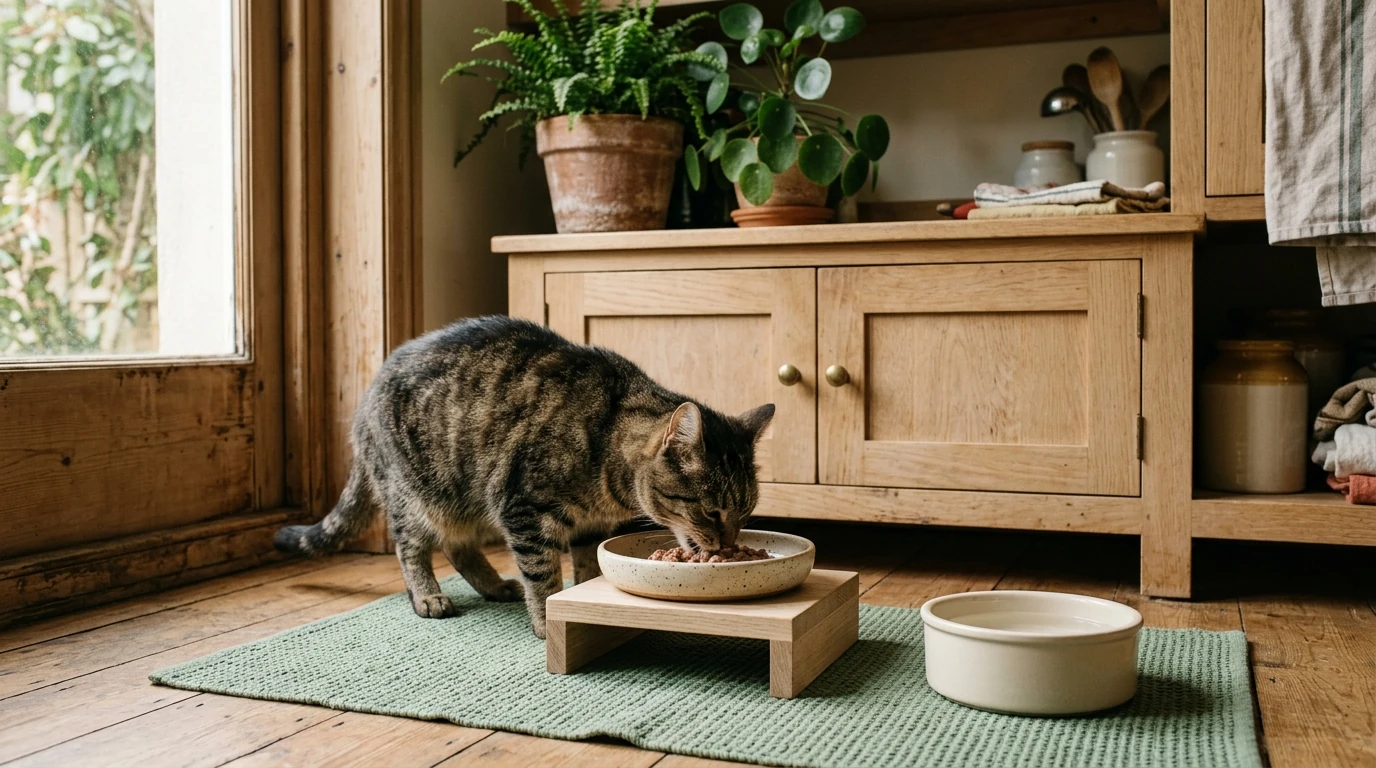
Some cats may find an elevated bowl more comfortable because it lets them reach their food without lowering their head as far, but elevation does not guarantee that every cat will eat better. Your cat’s size, posture, health, and preferences all matter, so the best choice is a bowl that allows your cat to eat comfortably and consistently.
Check the product’s listed specifications when evaluating do elevated bowls help cats eat.

When might a raised bowl be useful?
A raised bowl may be worth trying if your cat seems uncomfortable bending down, particularly if your veterinarian has identified a mobility issue or another condition that affects eating. If your cat has difficulty chewing or swallowing, vomits frequently, or suddenly eats less, contact your veterinarian rather than relying on a bowl change to solve the problem.
Check the product’s listed specifications when evaluating when might a raised bowl be useful.

Featured in this guide
Cartoon Cat Shape Tilted Pet Bowl with Raised Base
How should you choose the height and shape?
Look for a height that lets your cat reach the food naturally while standing or sitting, without stretching upward or pressing its neck awkwardly downward; a modest lift is often a sensible starting point. Bowl shape matters too: some cats prefer a wide, shallow dish that gives their whiskers more room, while a stable base helps keep the bowl from shifting as they eat.
Check the product’s listed specifications when evaluating how should you choose the height and shape.
How can you introduce and care for a new bowl?
Place the new bowl near your cat’s usual feeding spot and offer familiar food, then watch whether your cat approaches easily, maintains a relaxed posture, and finishes its normal meal; if your cat avoids it, return to the familiar bowl and try a different shape or height. Wash food bowls regularly with dish soap and warm water, rinse thoroughly, and inspect them for damage or hard-to-clean areas so your cat has a clean place to eat.
What about a tilted bowl?
A tilted bowl changes the angle at which your cat reaches its food, which may suit some cats but feel unfamiliar to others, so observe your cat rather than assuming the angle will improve mealtime. Our Cartoon Cat Shape Tilted Pet Bowl with Raised Base guide introduces an option to consider if you want to try a raised, angled design alongside your cat’s usual dish.
The Cozy Winter Pet Bed for Dogs and Cats – Warm, Plush, and Comfortable provides a defined sleep surface during family stops and overnight travel; it pairs with the featured product during the same trip.
Check the product’s listed specifications when evaluating what about a tilted bowl.
See if Cartoon Cat Shape Tilted Pet Bowl with Raised Base fits your setup
Recommended for you

Was this article helpful?
Yes
No



Leave a comment