-
Shop
- Advanced Technologies
- AI Skills for Creators & Freelancers
- AI Client Management
- AI Ethics
- AI Mindset
- AI Tools & Prompts
- AI Writing & Content Creation
- Audio, Voice & Music
- Design & Visual Creation
- Email, Messaging & Communication
- Freelancing & Business
- Marketing, Ads & Conversion
- Productivity, Workflow & Automation
- SEO & Search Optimization
- Social Media Content & Growth
- Strategy, Planning & Analytics
- Video Creation & Editing
- AI Skills Mastery 2026 Collection
- Apple Accessories
- Armani
- Arts, Crafts & Hobbies
- Back to School
- Bathroom
- Beauty & Skincare
- Beauty Guides Collection
- Best-Sellers
- Black Friday
- Black Friday Sale
- Car Accessories
- Career Growth
- Christmas Collection
- Dating & Social Skills
- Denim
- Digital Resources
- AI & Technology
- AI Skills
- Beauty
- Budgeting & Saving
- Car Buying & Ownership
- Cozy Feast Collection
- Electronics & Technology
- Emotional Intelligence
- Entrepreneurship & Business Growth
- Financial Education
- Financial Independence
- Financial Mindset & Psychology
- Goal Setting
- Hobbies
- Home Styling & Organization
- Kitchen & Recipes
- Leadership
- Mindfulness
- Mindset
- Motivation
- Online Business
- Parenting & Child Development
- Personal Style & Fashion
- Pet Lifestyle & Wellness
- Positive Thinking
- Self Confidence
- Sleep Improvement
- Smart Life with AI
- Stress Management & Relaxation
- Travel Planning
- Wellness
- Yoga & Fitness
- Yoga & Mind-Body Practices
- Education & Learning
- Family & Parenting
- Fashion
- Alexander McQueen
- Bags
- Bags & Wallets
- Belts
- Blazers
- Blouses & Shirts
- Bottega Veneta
- Bottoms
- Brunello Cucinelli
- Chloé
- Dolce & Gabbana
- Dresses
- Etro
- Hats & Hair Accessories
- Jacquemus
- Jewelry
- Jil Sander
- Keychains
- Kiton
- Luggage
- Luggage Bags
- Miu Miu
- Off-White
- Outerwear
- Rick Owens
- Socks & Tights
- Sunglasses
- The Row
- Tom Ford
- Valentino Garavani
- Vivienne Westwood
- Watches
- Fashion Accessories
- Food & Recipes
- Furniture
- Gadgets
- Gardening & Plants
- Gift Guide Collection
- Halloween
- Health & Fitness
- Health & Beauty
- Health & Wellness
- Home & Garden
- Home Decor
- Home Electronics
- Home Organization
- Interior Design
- Kids & Babies
- Kids Learning
- Kitchen
- Lighting
- Luxury Brands Collection
- Mental Wellness
- Parenting
- Party Planning
- Patio, Lawn & Garden
- Personal Finance
- Personal Growth
- Pet Care
- Pet Supplies
- Pets
- Shoes
- Sport & Outdoors
- Stress Relief & Relaxation
- Thanksgiving
- Thanksgiving Digital Collection
- AI & Tech-Enhanced Thanksgiving
- Budgeting & Smart Shopping
- Eco-Friendly & Sustainable Thanksgiving
- Family & Kids
- Gift Ideas Guides
- Gratitude & Mindfulness
- History & Meaning
- Hosting & Planning
- Leftovers & Storage
- Pets & Thanksgiving
- Social Media Captions & Ideas
- Thanksgiving DIY Ideas
- Thanksgiving Recipes
- Thanksgiving Products
- Travel
- Wealth
- Wealth Building
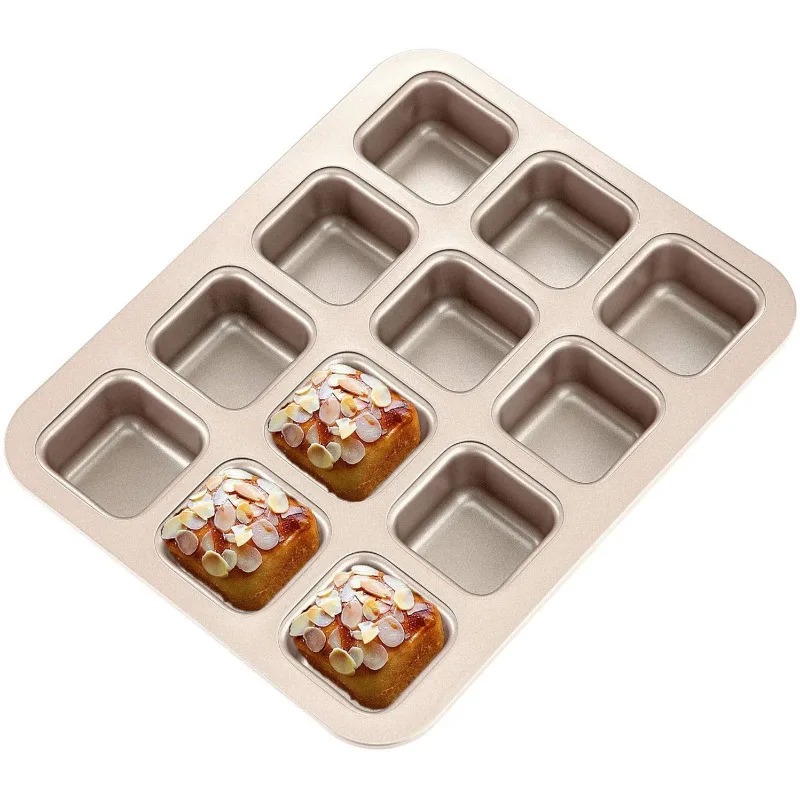
Bake Square Muffins and Mini Cakes in a 12-Cup Pan
55% off on product page · save $34.15
Bake Square Muffins and Mini Cakes in a 12-Cup Pan
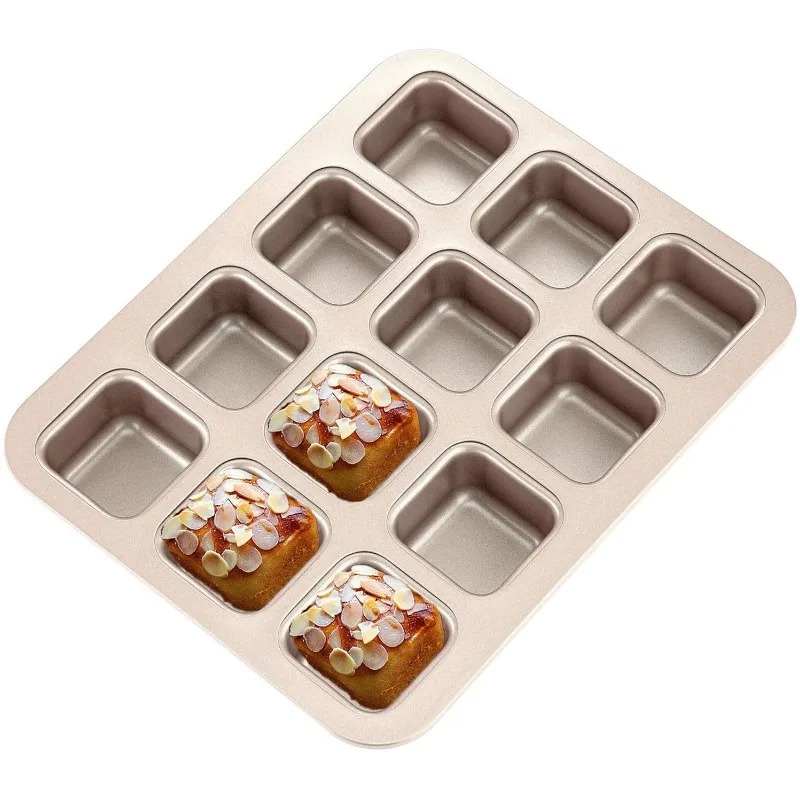
What a Square-Cup Pan Brings to the Kitchen
Our 12-Cup Non-Stick Square Cake & Muffin Pan for Home Baking lets you make a dozen individual square treats in one batch. That format can simplify serving: guests can take a portion without slicing a cake, and you can pack individual muffins or snack cakes for later.
The shape does not mean every recipe will bake the same way it does in a round muffin tin. Batter depth, ingredients, and your oven all affect the result. A non-stick surface can help when it is time to remove the bakes, but preparation and a short cooling rest still matter. We treat the pan as a useful tool, not a substitute for the directions and doneness cues in your chosen recipe.

Choose what to bake
Muffins and mini cakes are natural starting points. Brownies are another option if you follow the doneness cues for your recipe rather than treating them like cake. For savory egg bites, use a recipe with appropriate cooking guidance and cook the mixture thoroughly.
Whatever you choose, divide the mixture evenly and leave room for batters that rise. The recipe—not the cup count alone—determines how many portions you can make.
Featured in this guide
12-Cup Non-Stick Square Cake & Muffin Pan for Home Baking
Prepare, bake, release
Follow your recipe’s pan-preparation directions. A light, even coating of grease may help some batters release; non-stick does not mean every bake will lift out without preparation. Fill the cups to a consistent level, leaving headroom where the recipe calls for it.
Use your recipe’s oven temperature only if it falls within the pan’s stated temperature limits. Start checking at the suggested time, then judge doneness by the cues for what you are baking. After baking, let the portions rest as directed and gently loosen any edges with a utensil suitable for non-stick surfaces.
Care between batches
Let the pan cool before washing it with mild dish soap and a soft sponge. Dry it thoroughly, and store it where other bakeware will not scrape the cups. Avoid metal utensils and abrasive scrubbers on the non-stick surface.
Do not assume a dishwasher setting, coating composition, or oven-temperature limit from the words “non-stick.” Use the pan’s care and material specifications for those decisions, and stop using it if the coating is peeling or badly damaged. If you follow a recipe on your phone, our 360° Magnetic Phone Holder for Apple iPhone is an optional way to keep it at hand on a counter, away from oven heat and spills.
Care That Fits a Non-Stick Pan
Let the pan cool before cleaning it. Wash it with mild dish soap and a soft sponge, then dry it thoroughly before putting it away. Skip abrasive scrubbers and metal tools that could scratch the cooking surface, both during baking and cleanup.
Follow the pan’s care instructions when deciding whether to use a dishwasher or what oven temperature to select; those specifications cannot be assumed from the words “non-stick.” Store the pan where other bakeware will not scrape against its cups. Thoughtful handling helps keep the surface ready for your next batch.
If you have questions about food-contact materials, the FDA’s information on food contact substances provides general background. For material-specific questions about any pan, consult its manufacturer’s specifications rather than guessing from its product name.
Ready for the Next Baking Day
If you want a dozen individual square portions in one batch, this pan is a practical place to start. Choose a favorite muffin or mini-cake recipe, portion it evenly, and see how you like the square format. You can keep the recipe familiar while making the presentation your own.
Check the product’s listed specifications when evaluating ready for the next baking day.
FAQ
What is the healthiest nonstick cookware to use?
No single coating is universally the healthiest choice. Choose food-contact cookware from a reputable seller, follow its use and temperature instructions, and replace a pan if its coating is damaged.
Why don’t professional chefs use nonstick pans?
Many professional cooks do use nonstick pans for particular tasks. Others prefer surfaces that tolerate different tools or cooking methods; the useful choice depends on what you are making and how you care for the pan.
What nonstick coating to avoid?
Avoid using a pan with a peeling or badly damaged coating. You cannot determine a coating’s composition from the product name alone, so consult the manufacturer’s specifications if you have a material-specific concern.
What is the very best non-stick pan?
There is no best pan for every kitchen. For baking individual portions, consider the number and shape of the cups, your recipes, and whether the pan’s care and temperature instructions suit how you bake.
See if 12-Cup Non-Stick Square Cake & Muffin Pan for Home Baking fits your setup
Was this article helpful?
Yes
No



Leave a comment